
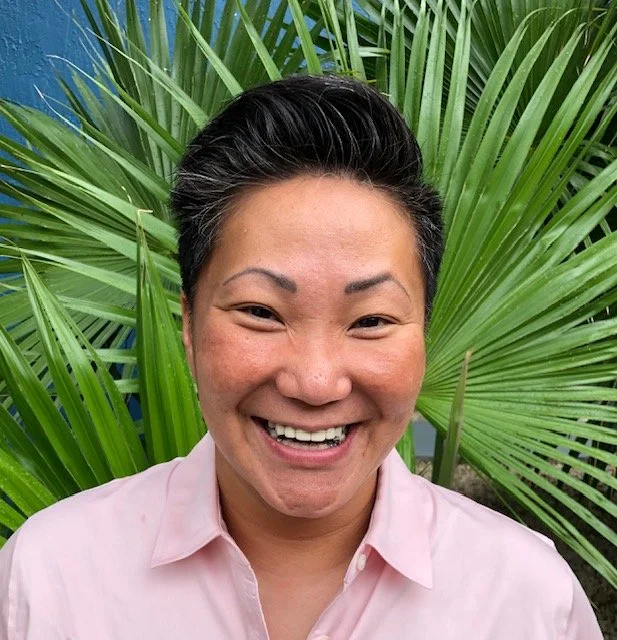
Sarah Hartmann, PhD
Postdoctoral Fellow
Sarah Hartmann is a Postdoctoral Fellow specializing in Dialectical Behavior Therapy (DBT) for adolescents and young adults and parents of adolescents and young adults with suicidal and self-harming behaviors, PTSD, addiction, anxiety disorders, problems with anger, sleep concerns, ADHD, and gender identity questions. Sarah provides care in-person at DBT Center of Tacoma in Ruston, WA and via telehealth across Washington state.
Ages served: Adolescents (13–17), Adults (18-27), Parents
Format: In-person and Telehealth
Accepting new clients: Yes
Insurance: Out-of-network with superbills
Who I work with:
Adolescents ages 13-17
Young adults ages 18-27
Parents of teens in DBT
LGTBQIA+ Clients
Concerns I treat:
Borderline personality disorder (BPD): emotional intensity, unstable relationships, fear of abandonment
Post-traumatic stress disorder (PTSD) and complex trauma
Sleep problems
Anger problems
Executive functioning challenges
Treatments I provide:
Dialectical Behavior Therapy (DBT)
I have completed DBT Foundational Training and DBT-A (for adolescents and families) through Psychwire. Prior to joining DBT Center of Tacoma, I provided DBT to adolescents within a DBT program in Florida.
Behavioral Parent Training
I am certified in Parent-Child Interaction Therapy (PCIT) and have participated in PCIT national training and consultation calls.
Trauma-Focused Treatments
I have completed training and certification in Trauma-Focused CBT (TF-CBT) and have participated in national training and consultation calls. I also provide DBT PE (prolonged exposure) for DBT clients with PTSD and/or complex trauma.
Exposure Therapy
I completed training in an anxiety specialty clinic.
Cognitive Behavioral Therapy (CBT)
I have experience leading CBT skills groups for adolescents and training in CBT for insomnia (CBT-I).
Education and Training
2026 - PhD Clinical Science in Child and Adolescent Psychology, Florida International University
2026 - DBT Foundational Training
2025-2026 - Predoctoral Internship, University of Arkansas for Medical Sciences - Child/Adolescent Trauma Track
2025 - Trauma-Focused CBT Training
2023 - Unified Protocol Training
2021 - MS in Psychology, Florida International University
2021- DBT for Adolescents and Families (DBT-A) Training
2018 - Trauma-Focused Care Training
2018 - BA in Psychology, University of Louisville
About Me
I came to clinical psychology as a second career, following a career training thoroughbred racehorses. I work especially well with teenagers who’ve been told they’re “treatment-resistant.” I am passionate about DBT and the emphasis on balancing acceptance of the client where they’re at right now, and helping them make changes needed to get to the life they want to live.
I am Korean-born and an adoptee. I was raised in the midwest, and now love the Pacific Northwest. As a lesbian therapist, I particularly enjoy working with LGBTQIA+ clients.
I love gardening, horses, soccer, hiking, reading, travel, and hanging out with my pets (a dog and a cat).
Frequently Asked Questions
-
YES — I have openings for adolescents, young adults, and parents for both in-person and telehealth treatment. Contact our intake team to schedule a consultation.
-
No, but we can provide superbills for out-of-network reimbursement.
-
Yes. I can see clients via telehealth anywhere in Washington. In-person sessions are held at our Ruston, WA office.
-
We would start with an initial 90-minute intake appointment. This gives us time to orient you to our clinic and the treatments we provide, and start to get to know you as a person and the challenges you’re wanting help with. The first appointment typically includes a lot of assessment questions that are important for understanding your history, but we aim to make this conversational.
-
DBT works best for individuals who are able to identify ways in which they want their life to change, but who have struggled to make that happen because of their intense emotions or uncertainty about how to cope or navigate challenges. DBT is skills-focused and structured - many people who are otherwise uncomfortable with therapy respond well to a more structured approach like DBT.
-
I work with adolescents ages 13-17, young adults ages 18-27, and parents of adolescents or young adults.
Ready to get started?
If you're considering working with Sarah, the first step is a consultation with our intake team. We'll talk about what you're looking for, whether Sarah is a good fit, and answer any questions about scheduling, insurance, or how DBT works.